Soil treatment
Permabase
A soil-treatment option for cohesive native material.
Concentrated bio-enzyme soil treatment for projects evaluating subgrade conditioning, native-soil reuse, and dust control.
Questions before selection
What it is
Start with the material and the job.
Permabase is intended to be diluted, applied to suitable soil, mixed to the planned treatment depth, and compacted as part of a defined earthwork process. Product fit should be based on the soil, moisture, gradation, plasticity, treatment depth, density target, loading, and project specification - not a product name alone.
Potential applications
Where the product may fit.
Subgrade treatment
Evaluation of suitable native soil beneath roads, parking, pads, and other paved or working surfaces.
Unpaved roads and access
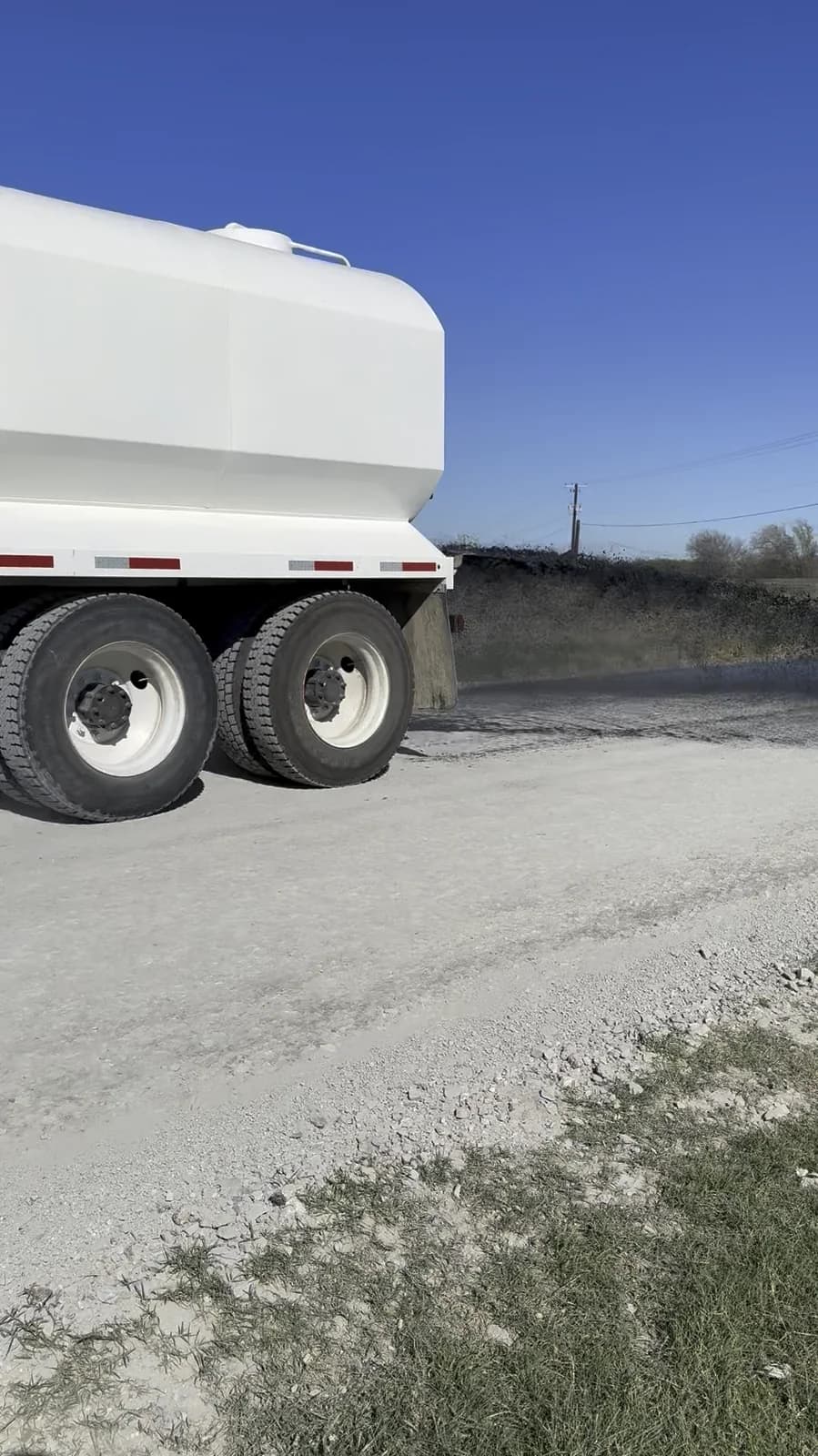
Treatment planning for dirt or aggregate routes where dust and surface condition are recurring concerns.
Native-soil reuse
Projects comparing treatment of on-site material with excavation, export, and imported base.
Working areas
Yards, staging areas, and low-speed surfaces where the project criteria support a treated-soil system.
Before pricing or specifying
Questions that change the recommendation.
- What are the soil classification, plasticity, and gradation?
- What depth and area need treatment?
- What density, strength, or proof-roll criteria apply?
- How will moisture, mixing, grading, and compaction be controlled?
- What testing or demonstration section will verify the design?
Common questions
Is Permabase suitable for every soil?+
No soil-treatment product should be selected without understanding the material. Soil classification, fines, plasticity, moisture, gradation, organics, and the performance target all matter.
Can it replace excavation and imported base?+
It may be evaluated as an alternative on suitable projects, but that decision depends on testing, design requirements, loading, drainage, and acceptance criteria.
What application rate should be used?+
Use current Crownwood technical guidance for the tested soil and planned depth. A universal rate would not account for the soil, moisture, treatment depth, density target, or project requirements.
What should I send for product planning?+
Send the project location, area and depth, geotechnical or soil information, intended use and loads, plans, schedule, and available water and mixing equipment.
Request the current technical and safety documents.
Before ordering or field use, confirm the latest technical data, SDS, project specification, surface or soil information, compatible equipment, and applicable agency requirements.
Related products
Product inquiry
Ask about Permabase.
Share the application, material or surface, area, equipment, delivery location, and schedule. Attach technical or project requirements when available.